Cookbook Club #19 // Vegetable Kingdom
Cookbook Club #19 is dorsum in action today!! Turning it over to our daughter Kristina Gill to give you the latest on our favorite cookbook this calendar month. And if you missed the intro to Kristina – delight put your hands together for our very first editor here at What'south Gaby Cooking also me!All yours KG! XX
This week nosotros take added a new feature to Cookbook Social club! At the bottom of the main cookbook, we will put two covers of similar books if you are looking for something that matches the featured cookbook or cookbook theme. Our theme this week is: simple vegetarian/vegan.

Bryant Terry is a James Beard Leadership Award-Winning Chef, Activist, and Author
Chef-in-Residence at the Museum of the African Diaspora in San Francisco. He's too synonymous with food justice and vegan cooking. Vegetable Kingdom is his quaternary cookbook on vegan cooking. As with previous books, the recipes are accompanied by a suggested song that mostly fits Bryant'southward jazz-heavy preferences. I appreciate the marriage of nutrient and music in Bryant's books because I, myself, like to have something on in the groundwork when I am cooking.

I like to think of the food in this book as a good mix of really attainable and really fancy. By fancy I mean equanimous of several small recipes. On i hand, this could seem daunting, on the other hand, I believe it offers more than choices. If one aspect of a recipe is your favorite part, y'all tin can always return and make just that single part of the entire recipe. This goes for the strong department at the end of the book entitled "closet" that includes stocks and broths, creams, flavored oils, vinegars, sauces, spreads and marinades, and seasonings. So many of the recipes include one or more of these, if you're like me and love having picayune sauces and seasonings in your refrigerator to dress upwardly simple food such as a bowl of lettuce, a simply grilled chicken, roasted vegetables, even a piece of toast with your favorite topping, then the 'cupboard section' alone is worth having the book.
My recommendation on cooking with this book is to showtime with recipes for which y'all have the ingredients on hand, and gradually build your cupboard to include items such every bit fonio, millet, Bragg Amino Acids, and anything else you might not already have. This way you will build up your arsenal of ingredients to be able to regularly repeat your favorite recipes in the book.
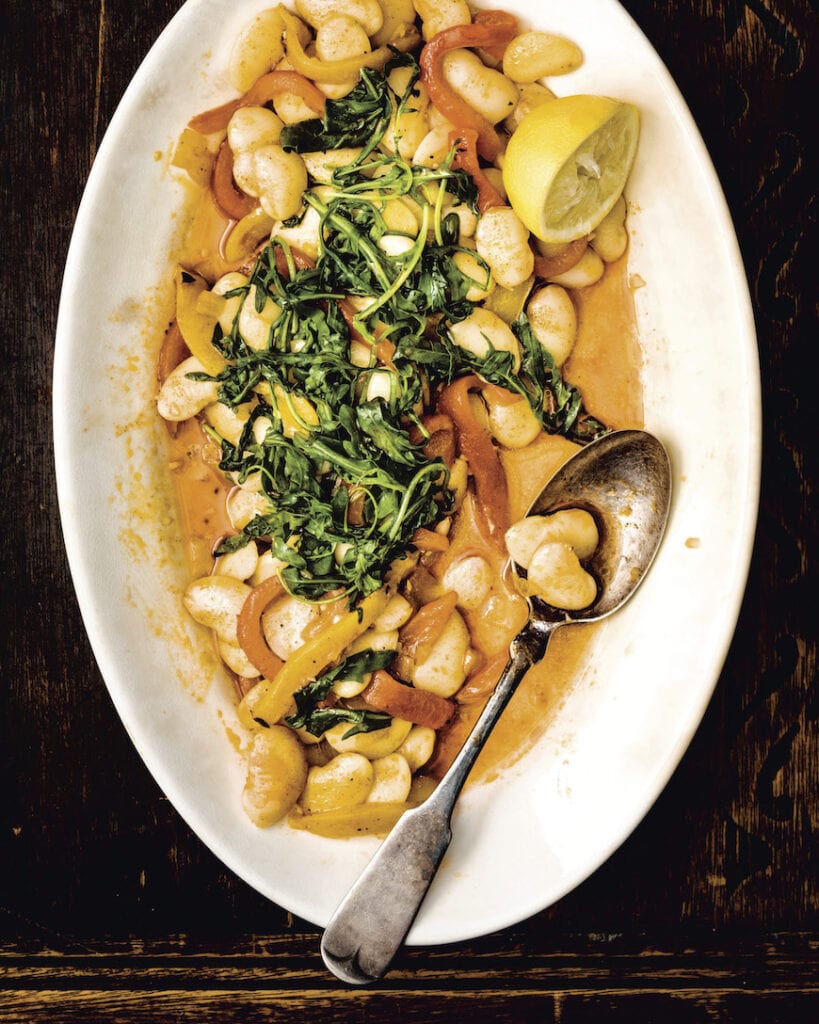
Other recipes in the book yous'll exist excited about in addition to the Warm Butter Bean Salad with Roasted Bell Peppers below include Caramelized Leek and Seared Mushroom Toast, Crunchy, Bitter and Tart Salad with Sugariness Mustard Vinaigrette, Muddied Cauliflower, Roasted Sweet Plantains, Pecan and Millet Salad, and Spinach Salad with Blackened Chickpeas.
We'd love to hear what you call up and what y'all're cooking from Vegetable Kingdom! You tin can find it at Seattle'south Volume Larder. If you lot get stuck on anything remember you lot can always reach out to us and/or @bryantterry on Instagram for help! And don't forget to tag your posts on IG with #WGCcookbookclub.
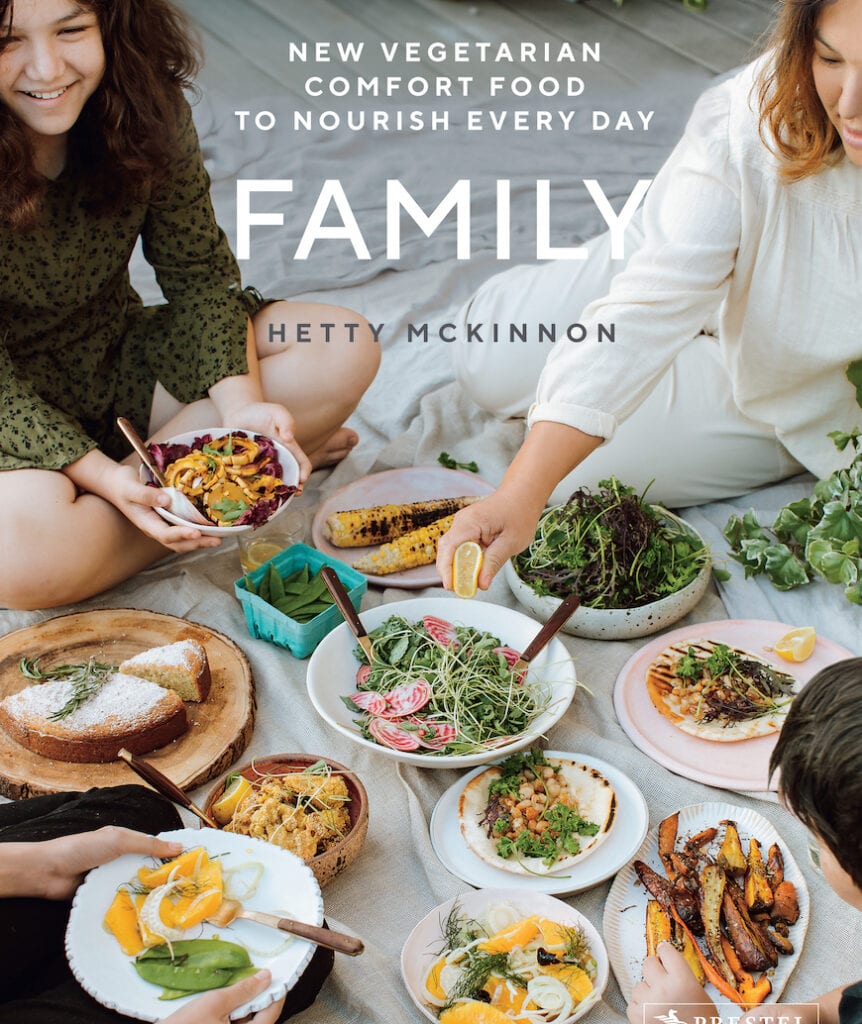
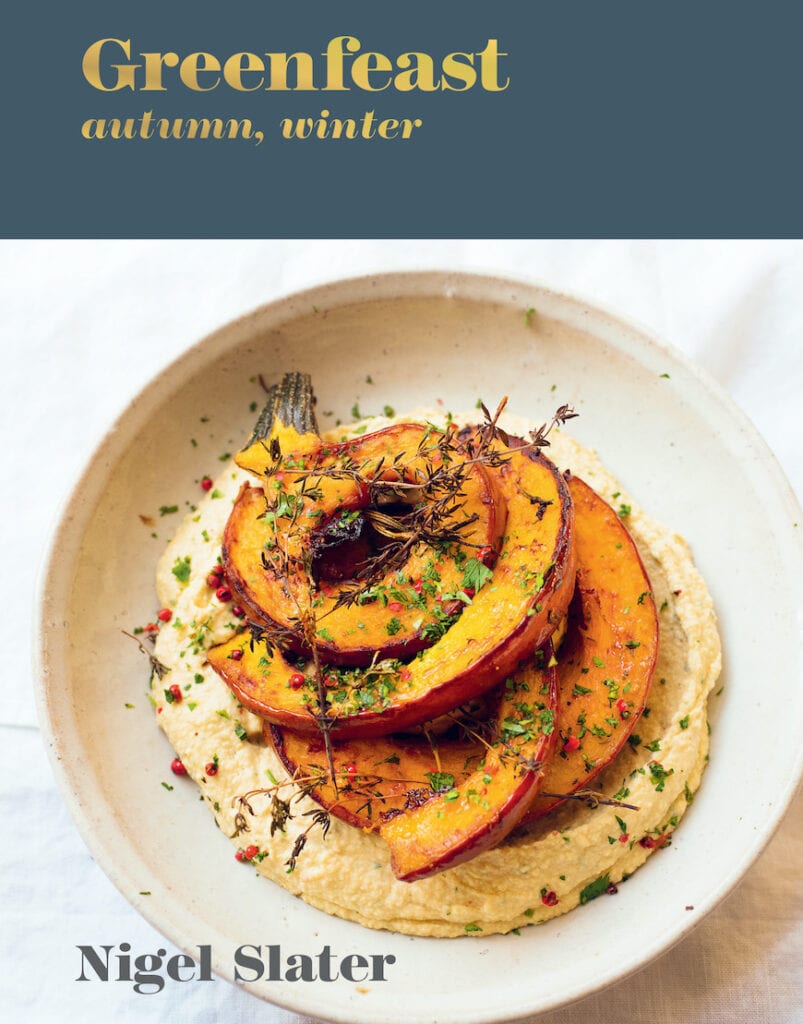
And as promised – two of our other favorite books sticking with this months theme… Family by Hetty McKinnon and Greenfeast by Nigel Slater
Question time with Bryant
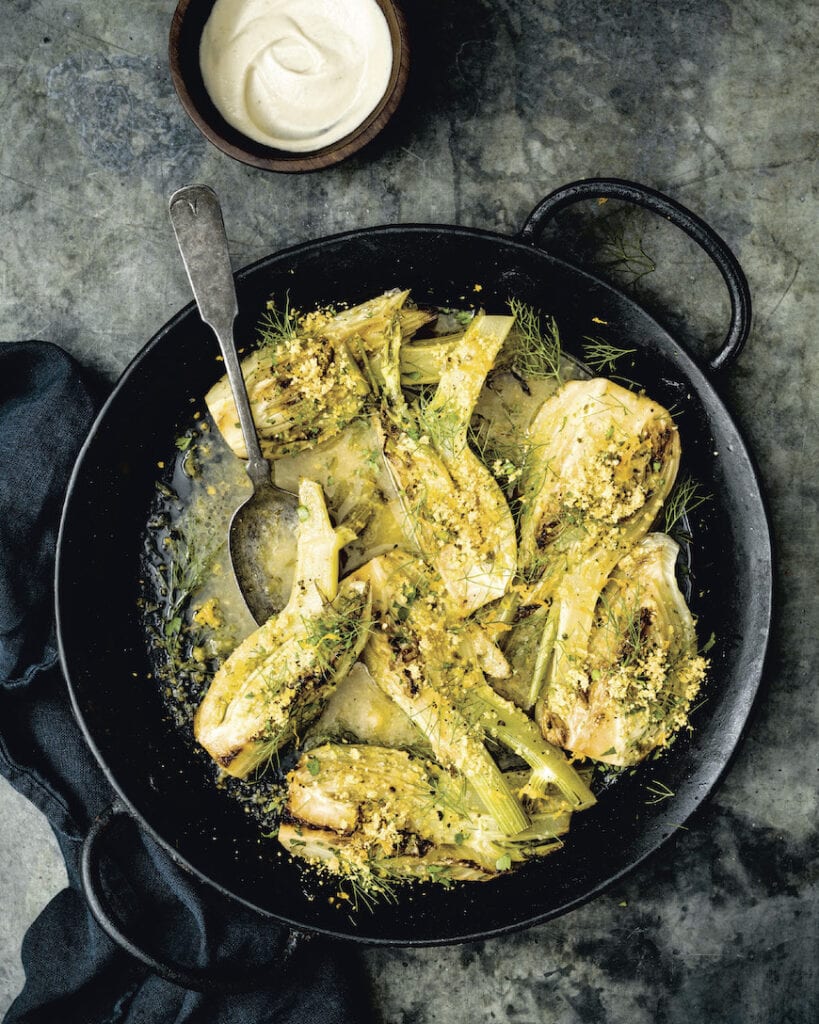
What's your favorite recipe in the book and why? The Citrus and Garlic-Herb Braised Fennel by far. That dish acted as the catalyst for unifying the dynamic spirit and energy that permeates Vegetable Kingdom. The recipe is a symbol for the way I approached this book, taking familiar vegetables and giving them my Afro-Vegan spin so my kids would like them.
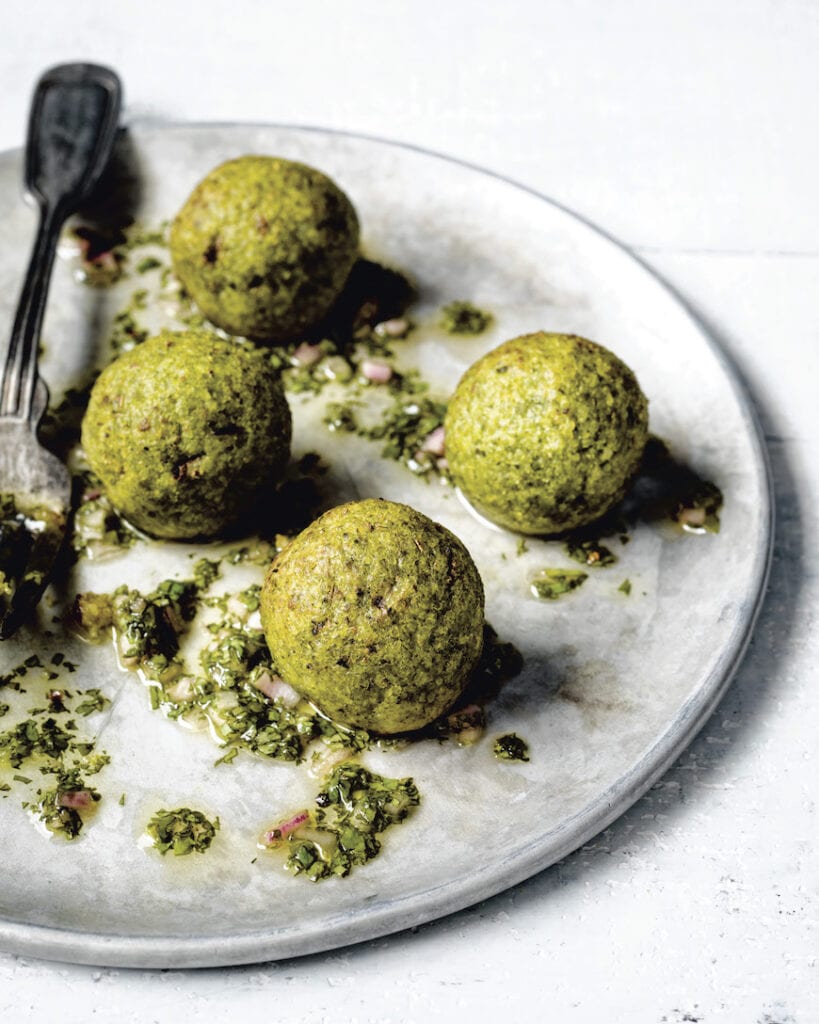
What was the hardest recipe to get correct and why? The Baked Fonio and Kale Balls. Subsequently my friend, chef Pierre Thiam, introduced me to fonio, a grain that many believe is Africa's oldest cultivated cereal crop, I was committed to making a dish using it. The flavor of this dish is so succulent, but I had to rework the recipe a lot to ensure that they weren't fragile and had structure.
For someone who's never cooked from your book before, what recipe would you tell them to cook kickoff and why? The Broccoli-Dill Sandwich Spread. Information technology'south such a straightforward recipe that transforms broccoli into a versatile spread/sauce that tin be used for sandwiches, pasta, or dipping crudités. Tejal Rao wrote a absurd piece about this recipe for The New York Times Magazine ( https://world wide web.nytimes.com/2020/03/31/magazine/broccoli-dill-pasta-recipe.html ), and I got messages from effectually the world almost how much people loved it. Many parents sent notes about how much their kids devoured information technology.
A recipe from your book that can be fix to serve within 30 minutes. Cornbread Muffins. The whipped sweetness corn and hot pepper jelly that I pair the muffins with take longer to make, merely you can make the muffins quickly and serve them with ready-made butter, jam, and the similar.
You've mentioned jokingly that yous desire to forget your previous books, Vegetable Kingdom is you, and you focused specifically the photography. How involved were you lot with developing the pattern direction and creating the images? Were you on set every day?
I was very involved in guiding the design and visual language of the book. Whenever I developed a recipe I would search the internet for images that spoke to my vision of how I imagined the dish being shot and put them into a file. When nosotros got to the photography phase, I passed the files along to the photographer Ed Anderson and food stylist Lillian Kang so they would have references. I also worked closely with Ten Speed's Art Director, Elizabeth Stromberg, to co-create a vision for the book'due south design. I was on set every day giving feedback and working closely with the team to ensure my vision was executed. They did a fantastic job!
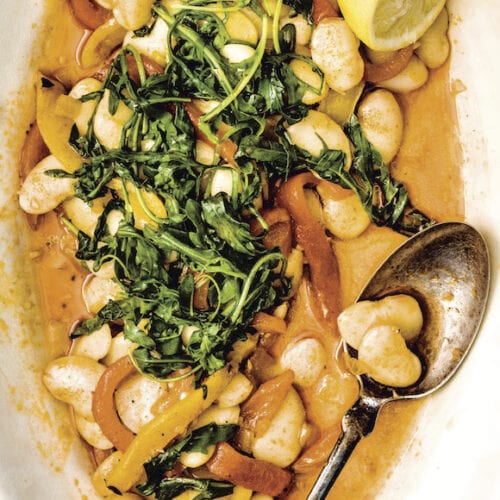
Warm Butter Bean Salad with Roasted Bell Peppers
Smoky roasted peppers provide a brilliant dissimilarity to the delicate, buttery flavor of big lima beans in this dish. The pili pili oil adds the subtlest boot—yous'll notice it, simply it doesn't overpower. Peppery arugula adds freshness, and a squeeze of lemon brightens everything. I created this recipe for a collaboration with Williams-Sonoma in 2019. My family had a Begetter's Day cookout with some friends (hullo, Maisha, David, and Naya) that was shot by my buddy photographer Erin Scott, and Williams-Sonoma featured the images in their itemize, on their blog, and beyond their social media platforms. That was a meaningful partnership, since Father'south Twenty-four hour period is my favorite holiday of the year. While I'one thousand beholden of gifts, Father's 24-hour interval is about expressing gratitude to my family for the honey they show me every single day. When I was working on this book, I spent more than than a year testing recipes and writing almost every weekend (and a lot of holidays). My wife and daughters supported me wholeheartedly throughout that process. On Father'south Twenty-four hour period weekend, I gloat them for the privilege of being a husband and Baba.
- 1 pound stale large white lima beans, soaked in h2o and 3 tablespoons kosher salt overnight
- 1 bay leaf
- 1 large yellow onion, half diced, half left intact
- v cloves garlic, 3 cutting in half, 2 minced
- 1 dried red republic of chile
- 1 1/2 teaspoons kosher table salt, plus more as needed
- two large red bong peppers
- ii big yellow bong peppers
- two large orange bong peppers
- 2 tablespoons actress-virgin olive oil
- two tablespoons Pili Pili Oil (recipe below)
- Freshly ground white pepper
- 8 ounces baby arugula, (nearly 12 loosely packed cups), washed and spun dry
- 1 lemon, halved for garnish
- Flaky bounding main salt for finishing
For the Pili Pilo Oil
- 2 teaspoons smoked paprika
- two sprigs thyme
- 2 springs rosemary
- 9 small fresh bird's-middle or Thai chiles
- 1 cup olive oil
-
Drain the beans, put them into a big bucket, and add h2o to encompass by two inches. Bring the h2o to a boil over high heat. Skim off any cream and decrease the heat to medium-low. Add together the bay leaf, onion half, halved garlic cloves, and dried chile. Partially cover and simmer, stirring occasionally, until simply tender, adding water as needed to keep the beans covered, 1 to 11/2 hours (the cooking time volition greatly depend on the freshness of the beans). In one case the beans are just tender, add together one teaspoon of the salt and simmer for 10 more than minutes. Drain the beans. Remove the bay leaf, onion, garlic, and republic of chile and discard them. Set the beans aside.
-
While the beans are cooking, roast the bell peppers using ane of the methods below. Seed and thinly slice the bell peppers. Set up aside.
-
In a large saucepan, warm the oil over medium-loftier heat until shimmering. Add together the diced onion and cook, stirring occasionally, until soft and merely starting to brown, 5 to 7 minutes. Add the minced garlic and remaining ane/2 teaspoon salt and cook, stirring, until it smells fragrant, 2 to three minutes. Add the lima beans, bell peppers, and pili pili oil to the pan. Raise the heat to loftier and cook for 1 infinitesimal, gently stirring to combine and warm the ingredients through. Turn off the heat and flavor aggressively with white pepper. Taste and season with table salt. Carve up the lima bean mixture evenly among four plates.
-
Add the arugula and ii tablespoons h2o to the same pan. Set the pan over depression rut, encompass, and cook for 2 to 3 minutes, until the arugula wilts.
-
Place a scattering of arugula over each serving, and so drizzle with more pili pili oil and a squeeze of lemon. Cease with a sprinkle of flaky salt and serve.
For the Roasted Peppers
-
There are a few methods for roasting peppers. I prefer placing them directly over a burner on a gas stove and turning them with tongs until the pare is blackened and blistered all over. Possibly it's the nostalgia of beginning learning this process in culinary school, but the process is fulfilling. If you have an electric stove, you'll demand to utilise the broiler or grill to reach the aforementioned outcome—just be sure to turn them occasionally to char the skin on all sides. After they are properly charred, the peppers are placed in a heatproof container and covered for 15 minutes, until they have cooled and their skins have loosened up. Skin off the charred skin (avoiding washing the peppers or you will lose some of the flavor), then cut off the stem end, remove the core and seeds, and cut the flesh of the peppers into strips or as directed in the recipe. If y'all're not using the roasted peppers immediately subsequently prepping them, simply place them in a bowl, toss with olive oil, and air-condition until ready to apply.
For the Pili Pili Oil
-
In a small-scale saucepan, combine all the ingredients and heat over low heat, stirring occasionally, until the olive oil starts to sizzle and the paprika has completely dissolved. Immediately remove from the heat and prepare aside to cool. Transfer all the ingredients to a minor jar or bottle, seal, and refrigerate for a few days before using. Store in the fridge for up to 2 weeks.
"Reprinted with permission from Vegetable Kingdom: The Abundant World of Vegan Recipes, by Bryant Terry copyright © 2020. Published by Ten Speed Press, an banner of Penguin Random Firm." Photography credit: Ed Anderson © 2020"
v Tips from a Private Chef electronic mail series
Get my latest recipes + my bonus 5 Tips From a Private Chef email serial
copplesonconat1951.blogspot.com
Source: https://whatsgabycooking.com/cookbook-club-19-vegetable-kingdom/
0 Response to "Cookbook Club #19 // Vegetable Kingdom"
Post a Comment